
Review · ROME
Rome: Appian Way and Catacombs VIP Tour with Hotel Pickup
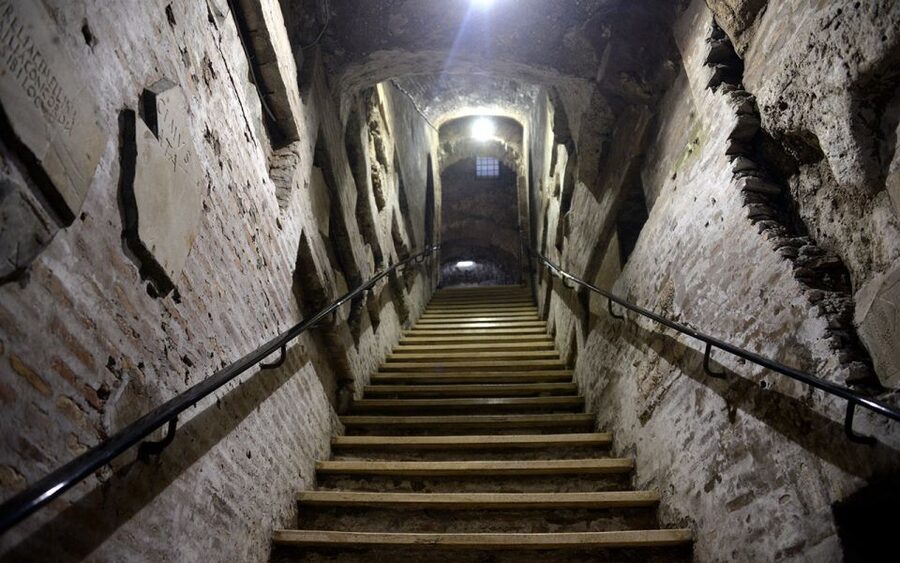
The most striking part of this three-hour outing is the change of scale: you begin below ground in the Catacombs of Saint Callixtus, then walk among ancient Roman stones on the Appian Way. I like the private pickup and the chance to see several sites outside central Rome without arranging taxis or public transport.
I also like the easy mix of Christian and Roman history, from early frescoes and gold glass fragments to the road that once linked Rome with Brindisi. The main drawback is time. The Appian Way portion lasts about 30 minutes, and one person specifically wished for a longer walk there.
Key points to know before booking
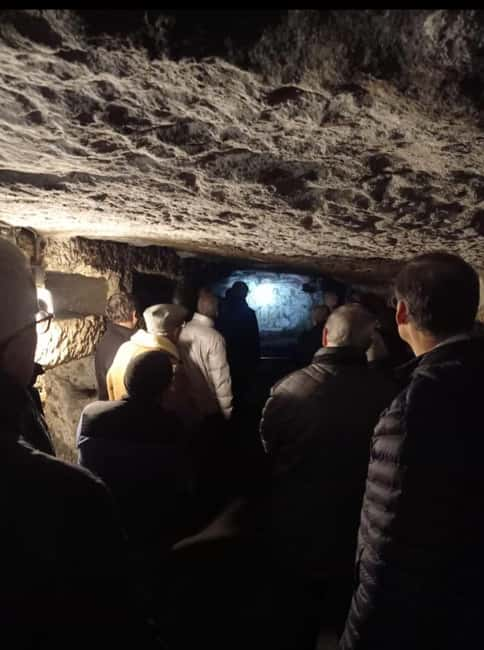
- The catacombs are the main historical visit: Allow about one hour for Saint Callixtus, including the underground route and guided explanation.
- Your own vehicle simplifies the outing: Pickup is included in Rome, using a Mercedes E class or minivan.
- The Appian Way is more than one stop: The route also passes Villa di Massenzio, Domine Quo Vadis, and Porta San Sebastiano.
- You get a private group: This is a good choice if you prefer a flexible, personal outing over a large bus tour.
- The English-speaking guide matters: Constantin has been singled out for warm, helpful service and for adding an extra church stop.
- Plan for limited walking time on the road: The listed Appian Way visit is about 30 minutes, so this is not a long country walk.
Why the Appian Way and Catacombs belong on your Rome plans
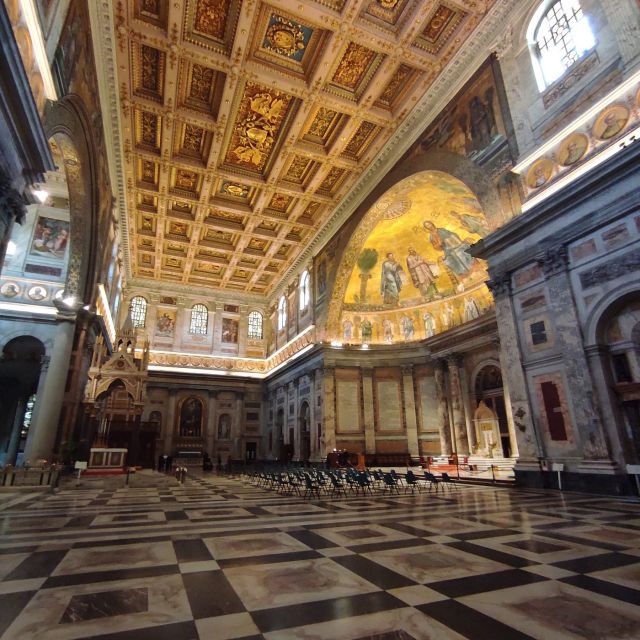
Central Rome gives you grand monuments at every turn, but it can also feel crowded and highly programmed. The Appian Way offers a different view of the city. Here, Rome’s past is spread along an old road, outside the busiest core, with layers of Roman and Christian history close together.
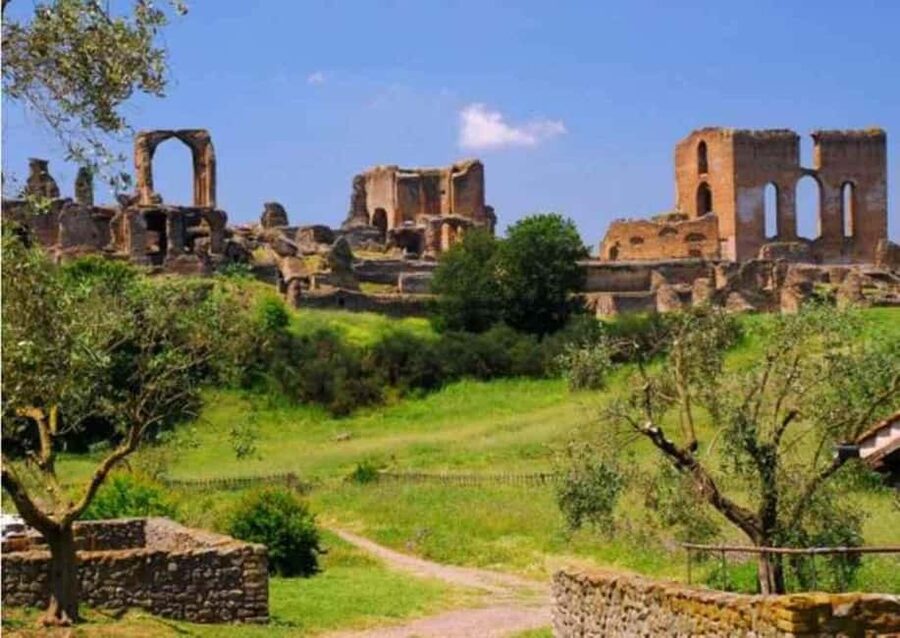
The Via Appia Antica was one of ancient Rome’s earliest major roads. It ran southeast from Rome toward Brindisi, an important port city, and served military, commercial, and political needs during the Roman Republic. Walking even a short stretch helps you understand how the Roman world was connected. This is not only a photo stop beside old paving stones. It is a look at the infrastructure that helped Rome control a large part of Italy.
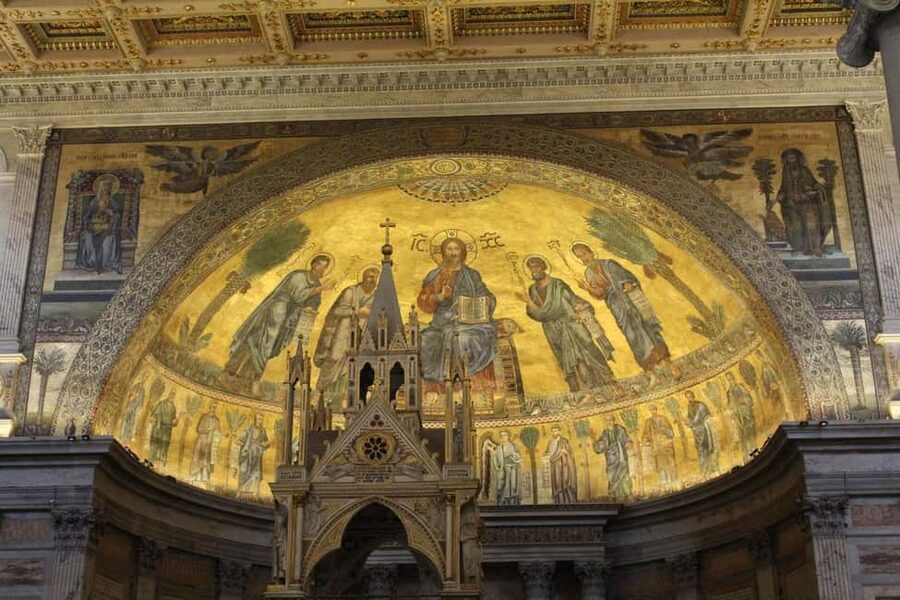
The Catacombs of Saint Callixtus provide the underground counterpart. The site is associated with early Christian burial and worship, and its art includes frescoes, sculptures, and remnants of gold glass medallions dating to around 400 AD. You will not simply be looking at empty tunnels. The point is to see how early Christian communities expressed belief through images and memorials.
I find the combination especially useful because the two places answer different questions. The Appian Way shows how Rome moved people, goods, and armies. The catacombs show how people lived with death, faith, and memory. Put together, they give you a broader picture than another tour of imperial monuments alone.
More VIP Experiences in Italy
- Rome: Colosseum Arena, Roman Forum & Palatine Hill VIP Tour
★ 4.5 · 3,674 reviews - VIP Vatican Breakfast and Guided Tour with Sistine Chapel Access
★ 4.5 · 1,796 reviews - VIP Vatican, Sistine Chapel & St. Peter’s Basilica Guided Tour
★ 4.5 · 1,128 reviews
Pickup from Rome and the value of a private vehicle
The tour begins with pickup in Rome and uses private transportation. The vehicle is described as a Mercedes E class or minivan, which makes a difference on an outing that links several sites outside the historic center.
Without arranged transport, the Appian Way area can take more effort to reach, and you would need to coordinate the catacombs with several other stops. Here, the driver and guide handle the movement between sites while you focus on the story. That is the core value of the $68 price: you are paying not only for admission, but also for transport, a private group setting, and a three-hour route that would be less simple to arrange independently.
The transport has received especially strong marks, with every transport rating reported as perfect. I would still keep expectations sensible. This is a compact tour, not a full-day exploration of the Appian Way park. The vehicle gets you around efficiently, but the schedule leaves limited time for lingering.
The private format should suit couples, families, and small groups that want to ask questions as they go. It can also work well for a first Rome visit, when you want someone to explain the route rather than spend half the day figuring out connections.
Saint Callixtus: an hour beneath ancient Rome
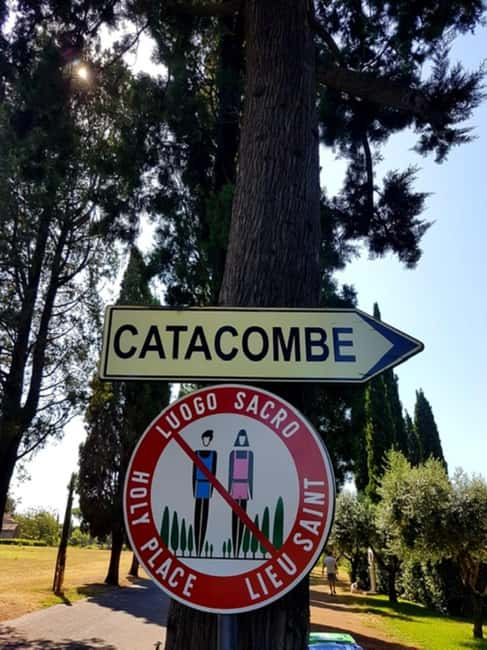
The Catacombs of Saint Callixtus receive the longest scheduled visit, about one hour. That tells you where the tour’s main focus lies.
Expect a guided underground visit centered on early Christian art and burial spaces. The material includes frescoes, sculptures, and remnants of gold glass medallions from around 400 AD. Those details matter because they put a human face on a period often reduced to dates and emperors. You can look at the surviving art and think about how early Christians marked identity, faith, and remembrance.
The catacombs are also a place where a guide adds real value. Underground spaces can be confusing, and the meaning of a symbol or fragment is not always obvious at first glance. An explanation helps you notice what you might otherwise walk past.
The information supplied for this experience describes the catacomb visit as a guided group tour within your private booking. In practical terms, your overall party is private, but the catacombs may follow their own visiting arrangement. I would treat this as a guided visit rather than assume you can wander through the tunnels alone.
One review praised the main guide while noting that the catacombs explanation itself could have been stronger. That is a useful distinction. The private guide can make the wider route personal, but the underground portion may be handled by a separate site guide or follow the catacombs’ standard format.
Wear comfortable shoes and expect walking. The tour is not suitable for wheelchair users, so anyone with mobility concerns should take that limitation seriously before booking.
The Appian Way: ancient stones, short walking time
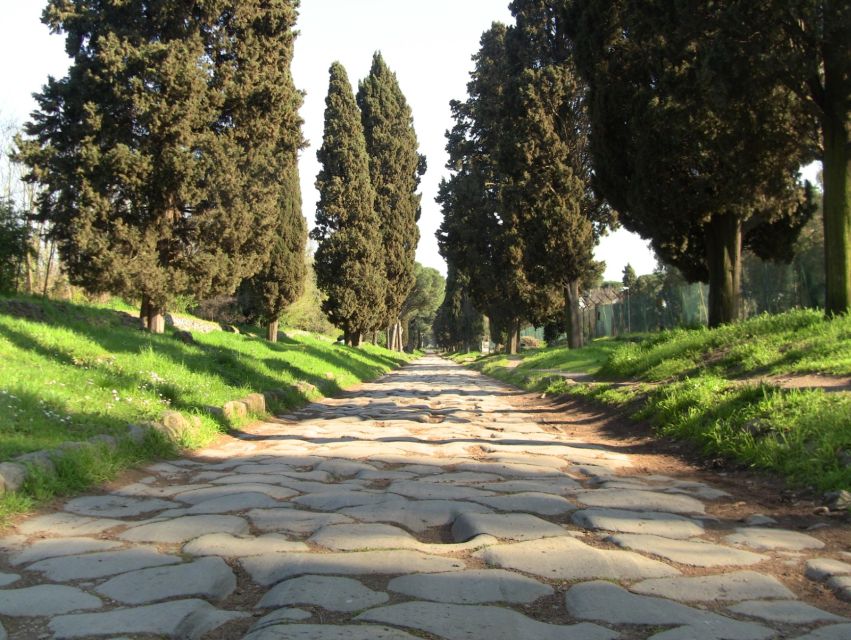
After the catacombs, the route turns to the Appian Way. The scheduled stop is about 30 minutes and includes sightseeing, a photo stop, a walk, and views along the road.
This is the part I would most want to extend. The road is one of Rome’s oldest and most important routes, and its appeal comes from seeing the surface and setting in person. Even a short walk gives you a sense of the road’s age and purpose. The poet Statius documented the Via Appia, adding a literary connection to a route already central to Roman life.
But 30 minutes passes quickly. If you picture a long, quiet walk far into the countryside, adjust that idea. This tour gives you an introduction and a chance to see the road as part of a larger circuit. It does not provide an extended hike along the Appian Way.
That shorter time may be a fair trade for visitors who want several sights in one morning or afternoon. If the road is your main reason for booking, however, look closely at the timing and consider a longer Appian Way experience instead. One person specifically said more time and a longer walk would have been welcome.
More VIP Experiences in Rome
- Rome Catacombs & Capuchin Crypts VIP Group Tour with Transfers
★ 4.5 · 652 reviews - Exclusive Golf Tour Private VIP with Local & Gelato o Wine
★ 5.0 · 500 reviews - VIP Colosseum Underground and Ancient Rome Small Group Tour
★ 4.5 · 332 reviews - Colosseum: Semi Private Tour with VIP Arena Access
★ 4.3 · 294 reviews
Villa di Massenzio and the Roman imperial connection
The tour continues to Villa di Massenzio for about 25 minutes. The schedule includes a photo stop, walking, and views from the vehicle.
This stop adds an imperial layer to the route. Rather than seeing the Appian Way as an isolated road, you get another reminder that powerful Romans built, used, and shaped this corridor. The stop is relatively brief, so expect an overview and time for photographs rather than a long archaeological visit.
That brevity is not necessarily a flaw. It allows you to see more of the Appian Way zone without turning the outing into a full-day commitment. Still, visitors who want detailed excavation work or extensive time at each monument may find the schedule brisk.
I like this kind of stop when the guide explains how it connects to the road and the wider Roman story. The site works best as part of the sequence, not as a stand-alone attraction.
Domine Quo Vadis and Porta San Sebastiano
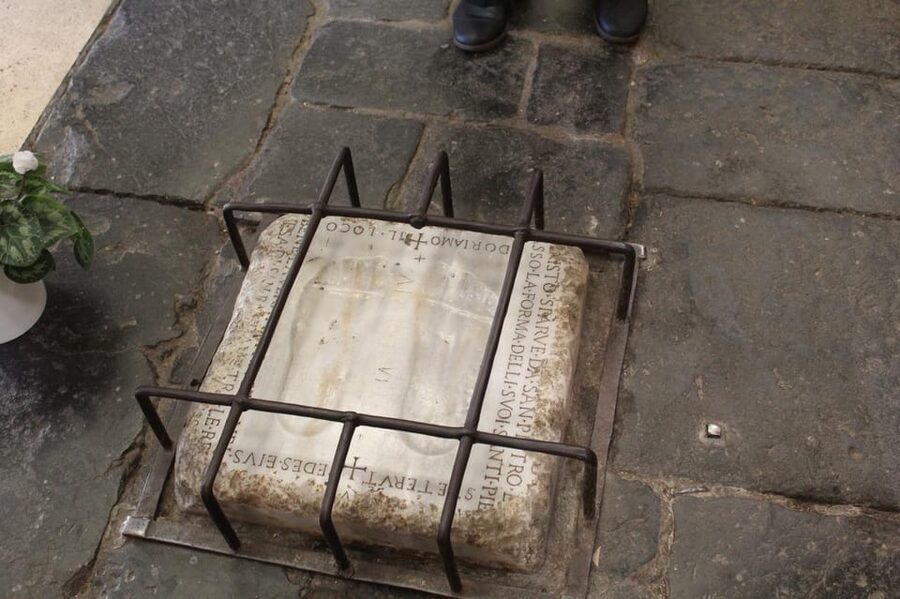
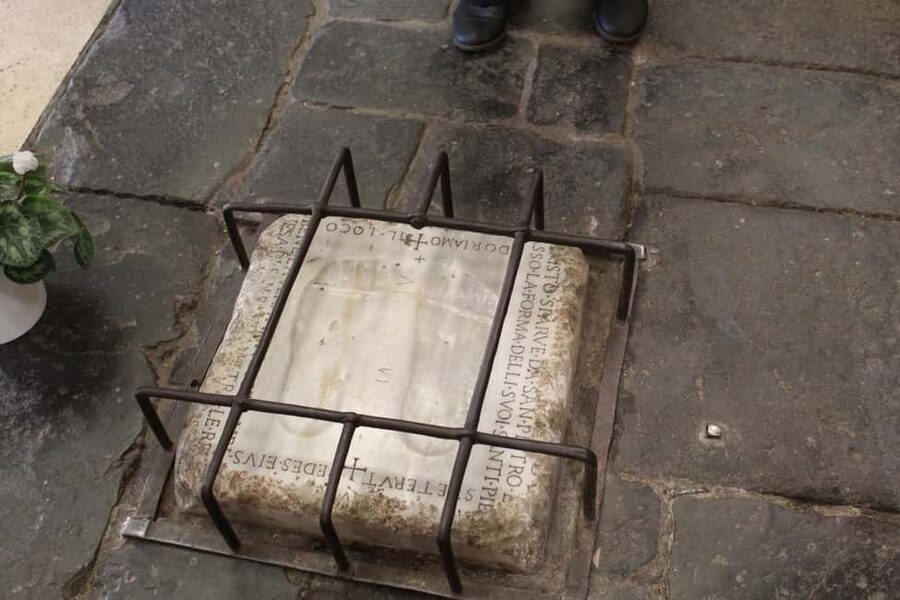
The Church of Domine Quo Vadis receives about 15 minutes. The stop includes a visit, sightseeing, and a photo opportunity. It is linked to the Christian story of Saint Peter and gives the tour a natural bridge between the catacombs and the ancient road.
Fifteen minutes is enough for a look and a short explanation, but not a long church visit. The church may be most rewarding if you enjoy places where religious tradition and Roman history overlap. You will want to keep your expectations focused: this is a brief stop within a moving itinerary.
Porta San Sebastiano follows for about 20 minutes. The gate forms part of Rome’s old defensive system and provides another way to understand the city’s boundaries and roads. It is a fitting final historical stop because the route has moved from the road outside Rome toward the city’s fortified edge.
These two visits also show why private transport is useful. You are not being asked to walk the entire route between scattered sites. The vehicle links the stops, giving you short walks where they matter and scenic driving between them.
The guide can shape the whole experience
The guide is central to the tour’s value. The experience is offered in English, and several comments highlight warmth, helpfulness, and strong organization. Constantin is named directly in one particularly positive account, which also credits him with showing an additional church that the visitor would not have found alone.
That kind of extra attention is exactly what I want from a private guide. The best guide does more than recite dates. He notices what interests you, explains why a minor stop matters, and keeps the timing under control.
The feedback is not completely uniform. One person found the catacombs explanation less polished than the rest of the outing. I would read that as a reminder that the experience has two guiding layers: your private guide for the route and the catacombs visit itself. The overall route can feel personal even if the underground presentation is more standardized.
You should also note that one English-speaking guide is specified, not a choice of several languages. If you need another language, this tour may not fit your plans.
Is $68 a fair price?
At $68 per person, the tour offers solid value if you want convenience and a private setting. The price includes private transportation, the catacombs entry ticket, and the guided experience. You also get several Appian Way area stops within three hours.
The comparison is simple. A do-it-yourself visit might cost less in direct admission and transit, but it would require more planning and would not give you the same ready-made route. A larger group tour might also be cheaper, but you would give up the private vehicle and personal attention.
The price is less compelling if you want a long walk on the Appian Way or detailed time at every site. The schedule is designed for coverage, not slow exploration. You pay for a convenient introduction to the area, not an exhaustive archaeological day.
I would call it a good mid-range choice for a first visit, especially if you are staying in Rome and want pickup. It is also useful for a short trip, when every transfer and saved decision counts.
Who should book this three-hour route?
I would recommend it to you if:
- You want to see the Appian Way without arranging transport.
- You prefer a private group instead of a large coach.
- You enjoy a mix of Roman engineering, early Christian art, churches, and city defenses.
- You have only three hours for sights outside central Rome.
- You value a guide who can add context and possibly suggest an extra stop.
- You are comfortable with walking and do not need wheelchair access.
I would be more cautious if the Appian Way is your main goal. The 30-minute road visit may feel too short, particularly if you imagined a long stroll over the ancient paving. I would also look elsewhere if you need a tour in a language other than English.
The route is best understood as a compact introduction. You see the catacombs in depth compared with the other stops, then sample the Appian Way and nearby landmarks. That balance works well for many visitors, but it is not designed for lingering at one site.
Booking details worth knowing
The duration is three hours, with starting times subject to availability. Pickup is included in Rome, and the vehicle may be a Mercedes E class or minivan.
Cancellation is flexible up to 24 hours before departure for a full refund. You can also reserve now and pay later, which helps if your Rome schedule is still changing.
The overall rating is 4.8 from 25 ratings, with especially strong marks for transport, organization, friendliness, and guide service. I would give the most weight to the repeated praise for helpful guides and smooth pickup, while keeping the shorter Appian Way walk in mind.
Should you book the Appian Way and Catacombs tour?
Book it if you want a comfortable, well-organized way to reach Rome’s ancient southern edge, with a private group and an English-speaking guide. The catacombs are the strongest part of the historical program, while the Appian Way, Villa di Massenzio, Domine Quo Vadis, and Porta San Sebastiano give you a useful sweep of the area.
Skip it if you want to spend most of your time walking the Appian Way itself. For everyone else, $68 is reasonable for the transport, admission, and personal route planning, especially when your Rome schedule is tight.
FAQ
How long does the tour last?
The tour lasts three hours, with available starting times shown when you check the booking schedule.
Is pickup included?
Yes. Pickup in Rome is included, with transportation provided by Mercedes E class or minivan.
What language is the tour offered in?
The live tour guide service is offered in English.
Is this a private tour?
Yes. The booking is for a private group, although the catacombs portion is described as a guided group visit.
What is included in the price?
The price includes private transportation, entry to the Catacombs of Saint Callixtus, and the guided tour.
Is the tour suitable for wheelchair users?
No. The experience is listed as unsuitable for wheelchair users.
Can I cancel the booking?
Yes. You can cancel up to 24 hours in advance for a full refund. Reserve now and pay later is also available.
Recently added around Rome
- The Vatican: Private VIP Experience Tour★ 5.0 · 31 reviews
- Rome: VIP Colosseum, Roman Forum, Palatine Hill Experience★ 4.1 · 16 reviews
- Rome: Gourmet Wine and Dine in a Luxury Restaurant★ 4.9 · 12 reviews
- Rome: Vatican Museums & Sistine Chapel VIP Tour★ 4.1 · 35 reviews
- Rome: Vatican and Sistine Chapel Tour with VIP Entrance★ 4.7 · 67 reviews
- Rome VIP Private Golf Cart Experience★ 4.8 · 39 reviews
- Rome: 2-Hour Vip Tuk-tuk tour with Hotel Pickup and Prosecco★ 5.0 · 92 reviews
- Rome: Castel Sant’Angelo and Hadrian’s Tomb Guided VIP Tour★ 4.4 · 14 reviews
VIP Experiences, compared.

Desert Safari with VIP BBQ and Optional Quad Bike
Read our review →
Cu Chi Tunnels & Mekong Delta Tour with VIP Limousine Transfer
Read our review →
Legendary Venice: Doge’s Palace, St Mark’s & VIP Terrace Access
Read our review →
VIP All inclusive Best of the best Giza Pyramids,Sakkara,Memphis
Read our review →
VIP Best Reviews: Bohemian & Saxon Switzerland from Prague
Read our review →
Luxury VIP Hammam & Spa with Transfer & Drink
Read our review →
Burj Khalifa VIP Experience Level 152 Lounge Access
Read our review →
Premium Neuschwanstein Castle and Linderhof VIP Tour from Munich
Read our review →Browse the lists this tour appears in