Review · KATHMANDU
Luxury Kailash Mansarovar Yatra – 15 days
The heart of this journey is the three-day Kora around Mount Kailash, with the north face at Derapuk, the 5,636-meter Dolma-La Pass, Shiva-sthal, and Gauri Kund. I like the thoughtful start in Kathmandu, where you visit Pashupatinath, Boudhanath, and Patan before the hard miles begin. I also like the practical support: a down jacket, duffle bag, guides, cooks, and a contingency day.
The main drawback is simple: this is a demanding high-altitude pilgrimage, not a soft sightseeing holiday. You’ll spend long hours in vehicles, sleep in basic accommodation near the Kora, cross very high passes, and depend on weather and border procedures. The advertised group limit is 25 people, though past departures have included larger groups, so confirm the actual size before paying.
Key points to know before booking
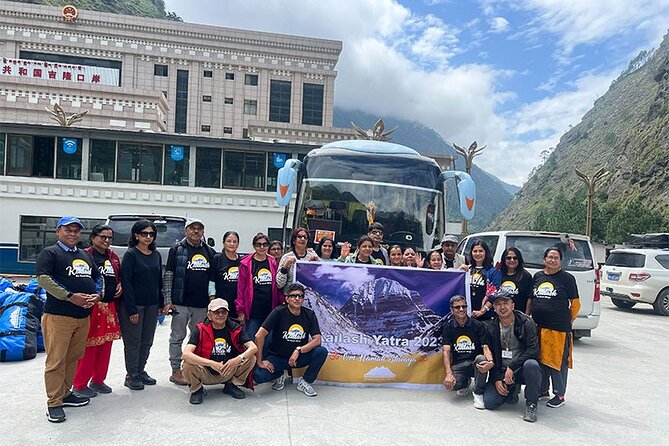
- The Kora reaches 5,636 meters: Dolma-La Pass is the hardest section and requires strong preparation.
- Kathmandu gives you a useful buffer: You have two nights for orientation, cultural visits, equipment, and final preparation.
- Lake Manasarovar comes before Mount Kailash: The route includes a Havan Puja, Raksas Tal, and time beside the sacred lake.
- Support is a major part of the value: Himalayan Glacier provides guides, drivers, cooks, meals, a down jacket, and a duffle bag.
- The luxury label has limits: Kathmandu lodging is comfortable, but Saga, Kerung, and trail accommodation are more basic.
- A spare day matters: Day 14 protects the schedule from weather, roads, and border delays.
Why this 15-day pilgrimage is different
Kailash Mansarovar is not simply a mountain trip with a religious theme. The pace, rituals, altitude, and repeated moments of waiting are all part of the experience. You cross from Nepal into Tibet, travel across the high Tibetan Plateau, reach Lake Manasarovar, and then walk around a mountain regarded as sacred by Hindus, Buddhists, Jains, and followers of Bon.
I like that the journey does not rush straight from Kathmandu to the trail. The first two days give you time to meet the team, learn what lies ahead, collect your cold-weather gear, and visit important religious sites. That matters because the Kora begins at serious altitude, and a calm start is more useful than squeezing in one more attraction.
The price is $3,999 per person. That is a substantial sum, but it covers 15 days of transport, accommodation, many meals, border support, Tibetan guiding, trail logistics, and equipment. Internal flights, personal expenses, and tips are extra. I would judge the price mainly by the quality of the team and the handling of difficult moments, since the remote sections cannot offer luxury in the usual hotel sense.
More luxury tours in the world:
- Amsterdam Luxury Canal Cruise + Unlimited Drinks & Bites option
★ 5.0 · 30,518 reviews - Dubai Marina: Luxury Yacht Tour with Breakfast or BBQ Option
★ 4.7 · 21,528 reviews - Dubai: The Luxury Yacht Tour with Live BBQ Option
★ 4.7 · 13,665 reviews
Kathmandu begins with preparation and prayer
You arrive at Tribhuvan International Airport and transfer to the Aloft by Marriott. The operator collects your passport to help with the Tibet visa process, then holds a group meeting later in the day. Pay close attention here. This is when you should ask about altitude, walking pace, meals, equipment, border crossings, and what happens if you need to stop during the Kora.
You also receive a down jacket and duffle bag. Those are useful inclusions, especially if you are flying from a warm climate and do not want to buy every cold-weather item for one pilgrimage. Still, ask what personal clothing and sleeping gear you must supply yourself.
The welcome dinner at a Nepalese restaurant gives the first evening a pleasant social feel. Past departures have brought people from the United States, Israel, India, and other places into one group. That mix can make the trip more rewarding, but it also means different walking speeds, expectations, and dietary needs. Tell the operator about food requirements early.
Pashupatinath, Boudhanath, and Patan
Day 2 links three major Kathmandu Valley sights. At Pashupatinath Temple, you see one of the most important Hindu shrines dedicated to Shiva. The temple sits beside the Bagmati River, where rituals and prayers create a very direct connection with the religious purpose of the trip.
Boudhanath Stupa offers a different mood. You walk around the great Buddhist stupa, turning prayer wheels and watching the steady rhythm of devotion. The stop is short in the schedule, so do not expect a long guided visit, but it gives you a clear sense of the Tibetan Buddhist culture that will shape the next part of the route.
Patan Durbar Square brings architecture and art into the day. Krishna Mandir, the Newari buildings, carved details, and Patan Museum provide context before you head north. I especially like this pairing of sacred places and cultural sites. You are not treating Kathmandu as a mere staging point.
The rough road to Kerung and Tibet
Day 3 is a long drive to Rasuwa Gadhi, roughly 140 kilometers but often six to seven hours. Nepal’s road distances can look short on a map, and this is not a fast transfer. You pass Trishuli Bazaar, Syabrubesi, terraced farmland, waterfalls, and mountain villages before reaching the border area at about 1,800 meters.
The scenery changes as the road rises. Green hills give way to steeper mountain terrain and views of the Bhote Koshi River. You should expect a tiring day, road delays, and limited comfort compared with Kathmandu.
On Day 4, you walk to the Nepalese immigration checkpoint, complete departure formalities, and enter Chinese immigration. Procedures on the Chinese side are described as precise and careful, so keep documents organized and follow the team’s instructions. Once across, a Tibetan guide and driver take over for the drive to Kerung, also called Gyirong, at roughly 2,700 meters.
A short walk in Kerung helps your body begin adjusting. Do not treat it as a sightseeing challenge. At this point, rest, hydration, and a slow pace are more valuable than covering every street.
Same destination, a different level of comfort:
- Club Mobay Sangster Airport VIP Lounge with Priority Entry
★ 4.5 · 10,510 reviews - Dubai: Desert Safari with VIP BBQ and Optional Quad Bike
★ 4.9 · 7,349 reviews - Cu Chi Tunnels & Mekong Delta Tour with VIP Limousine Transfer
★ 5.0 · 7,052 reviews - Amsterdam: Luxury Saloon Boat Cruise with Cocktails & Waffle
★ 5.0 · 5,935 reviews
Saga and the first real altitude test
The drive from Kerung to Saga takes about six hours and rises to around 4,500 meters. You pass broad plains, high passes, snow-capped peaks, rivers, and scattered settlements. The scenery is enormous and spare, with long stretches where the road and sky seem to dominate everything else.
Saga is a transit point, not a place to expect a full program of attractions. Use the stop to rest and watch for symptoms of altitude trouble. A moderate fitness level is required, but fitness alone does not guarantee that your body will handle altitude well. Tell the guide promptly if you develop a headache, nausea, unusual fatigue, or breathing problems.
The driving days are part of the challenge. You need patience, warm layers, water, snacks, and something to occupy you during long transfers. The reward is the gradual shift from Nepal’s green mountain valleys to Tibet’s wide, high plain.
Lake Manasarovar and the first view of Kailash
Day 6 takes you from Saga toward Lake Manasarovar. The route crosses Mayum La Pass at about 5,200 meters before reaching the lake at roughly 4,590 meters. This is a major altitude jump, and the day is not physically easy even though much of it happens in a vehicle.
The first sight of Mount Kailash is one of the great moments of the trip. You see the sacred mountain in the distance as the route approaches the lake, and the scale of the setting makes the long road feel worthwhile.
Lake Manasarovar is revered as one of the world’s holiest lakes. You have time beside the water, but conditions are remote and facilities are limited. Bring sun protection, warm clothing, and patience. At this altitude, even a short walk can feel harder than expected.
The following morning begins with a Havan Puja beside the lake. This gives the pilgrimage a clear spiritual center before the walking begins. You then drive to Darchen, the base for the Kora, stopping at Raksas Tal on the way.
Raksas Tal provides a striking contrast with Manasarovar. Hindu tradition associates it with negative or demonic energy, and its presence adds a sense of balance to the route. At Darchen, you meet other groups and prepare for the trail. This is the place to check your boots, adjust your pack, sort medication, and decide how you will handle the optional hike at Derapuk.
The Kora begins at Yam Dwar
On Day 8, a vehicle takes you from Darchen to Yam Dwar, the gateway where the circumambulation starts. Pilgrims pray and make offerings before setting off. The first day leads to Derapuk through rugged ground, valleys, and streams.
The main reward is the north face of Mount Kailash. At Derapuk, the mountain comes close and fills the view. This is the point when the pilgrimage changes from a long road journey into a personal physical test.
You spend the night in a basic teahouse or camp. This is where the word luxury needs careful handling. The overall trip may offer better organization and more support than a basic pilgrimage package, but the trail itself is remote. You should be ready for simple facilities and limited privacy.
Charan Sparsh is optional for good reason
Day 9 offers an optional hike to Charan Sparsh, known as Touch of the Feet. The route follows rough ground toward the base of the north face, and the site carries strong religious meaning for pilgrims seeking blessings and purification.
I like that the itinerary does not force everyone into this extra effort. If you are well acclimatized and feeling strong, the hike may be deeply meaningful. If you are tired, resting at Derapuk is the wiser choice. You do not prove devotion by ignoring warning signs from your body.
Use the rest option for quiet reflection and recovery. The next day is the hardest section of the entire Kora.
Dolma-La Pass is the decisive day
Day 10 begins early with a steep climb from Derapuk to Dolma-La Pass at approximately 5,636 meters. This is the highest point of the pilgrimage and the section that demands the most stamina. The air is thin, the ground is rough, and progress can be slow.
At Shiva-sthal, pilgrims leave personal items and pray for forgiveness and liberation. Soon after, the trail reaches Gauri Kund, also called the Lake of Compassion, associated with Goddess Parvati. These places give the hardest physical day a powerful religious focus.
The descent into Zutulphuk Valley is steep. Downhill walking may sound easier, but loose ground and tired legs can make it demanding. Stay with the group, use trekking poles if you normally rely on them, and do not rush to keep up with a faster companion.
This day is also where the staff matters most. The company has organized guides, cooks, and support personnel, with names associated with past departures including Sagar Pandey, Shankar Bhatt, Bir Bahadur, Sanket, and Dawa Sherpa. Confirm your actual team before departure, but expect the local staff to be central to the trip.
Completing the Kora and returning to Nepal
The final trail section takes about three hours from Zutulphuk Monastery to the pickup point. Completing the circumambulation is a major milestone, but you still have a long road back. A vehicle takes you to Saga for the night.
Day 12 returns to Kerung through the open Tibetan Plateau. The same scenery can feel different now. You have crossed the hardest section, and the long drive becomes a chance to rest and think about what you have seen.
On Day 13, you cross back into Nepal at Rasuwagadhi. After customs and immigration, the drive continues through Langtang National Park toward Kathmandu. It can take much of the day and may feel tiring after the Kora.
A helicopter return is available at extra cost and reduces the journey to about 45 minutes. It is worth considering if road travel is especially difficult for you, but confirm availability, price, weather rules, and luggage arrangements before relying on it.
Day 14 is held as a contingency day. If weather, roads, or border delays disrupt the schedule, this spare day protects your return flight. If all goes well, use it for Bhaktapur, Swayambhunath, shopping in Thamel, or a spa treatment.
Meals, staff, and comfort on the road
The package includes 14 breakfasts, 11 lunches, and 12 dinners. That does not cover every meal, so budget for personal food and drinks. Past departures have included hot meals prepared by cooks even in remote areas, which is one of the package’s strongest practical benefits.
The team has also been praised for personal care, with operators such as Sagarbhai, Shankar, Reezu, and Rayuna receiving special appreciation for preparation and support. I would place high value on pre-trip communication. Good advice before arrival can help you bring the right layers, medication, and footwear.
Accommodation varies. Kathmandu offers the Aloft by Marriott, while trail nights are basic. Do not book this expecting hotel comfort across Tibet. Book it if you value organization, group support, meals, and help with a difficult route.
Should you book this Kailash Mansarovar Yatra?
I would recommend it to a spiritually motivated person who accepts discomfort, has moderate fitness, and can prepare seriously for altitude. The itinerary includes the key sacred places, a full Kora, cultural stops in Kathmandu, and a spare day for disruption.
I would not choose it for a casual mountain holiday or for anyone expecting luxury rooms throughout. Before booking, ask about the actual group size, current border requirements, medical support, accommodation in Tibet, the Charan Sparsh rules, and the full cost of the helicopter option.
For the right person, the strongest value is not a soft bed. It is having an organized team, warm food, equipment support, patient guides, and a practical plan for reaching places that are difficult to visit independently.
FAQ
How long is the Kailash Mansarovar Yatra?
The experience lasts approximately 15 days, including arrival and departure in Kathmandu, the Nepal to Tibet crossing, the Lake Manasarovar visit, the Mount Kailash Kora, and a contingency day.
Where does the experience begin?
It begins at Himalayan Glacier Adventure and Travel Company on Amrit Marg in Kathmandu, Nepal. Airport pickup is offered on arrival.
What is the highest point on the route?
Dolma-La Pass reaches approximately 5,636 meters. Mayum La Pass is about 5,200 meters, and Lake Manasarovar is around 4,590 meters.
Is the Mount Kailash Kora included?
Yes. The itinerary includes the three-day circumambulation from Darchen, beginning at Yam Dwar and continuing through Derapuk, Dolma-La Pass, Zutulphuk, and the final pickup point.
Is the Charan Sparsh hike required?
No. Charan Sparsh is optional. You can rest at Derapuk instead if you are not well acclimatized or do not feel strong enough.
What meals are included?
The package includes 14 breakfasts, 11 lunches, and 12 dinners. Personal expenses and some meals are not included.
Is a helicopter return available?
Yes. An optional helicopter transfer from the Kerung return route to Kathmandu is available at an additional cost. The flight takes approximately 45 minutes.
What happens if weather disrupts the trip?
The experience requires good weather. If poor weather causes cancellation, you are offered a different date or a full refund. The itinerary also includes a contingency day for weather, road, or border delays.
Recently added around the world
- Private VIP Catamaran Party Boat Punta Cana Bavaro★ 5.0 · 59 reviews
- Las Vegas: VIP Club Crawl with Party Bus, Express Entry & Drinks★ 5.0 · 51 reviews
- Las Vegas VIP Nightclub Party Bus Crawl★ 3.0 · 119 reviews
- Punta Cana VIP Party Cruise with Snorkeling & Double Slide★ 4.5 · 98 reviews
- Private Luxury Double Slide Party Boat★ 5.0 · 136 reviews
- Sabina del Mar Party Boat VIP★ 4.5 · 127 reviews
- Tokyo VIP private nightlife tour with a local insider★ 5.0 · 24 reviews
- Paris: VIP Dinner and Cabaret Show at Paradis Latin★ 4.7 · 104 reviews
Luxury Tours, compared.
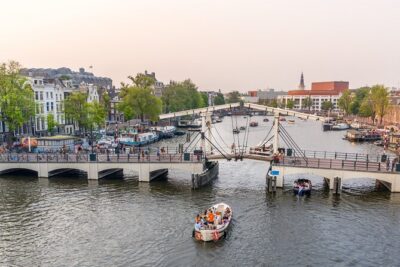
Amsterdam Luxury Canal Cruise + Unlimited Drinks & Bites option
Read our review →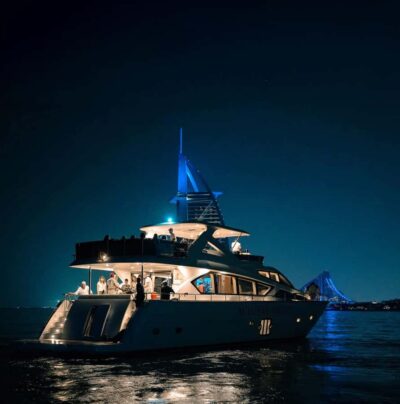
Dubai Marina: Luxury Yacht Tour with Breakfast or BBQ Option
Read our review →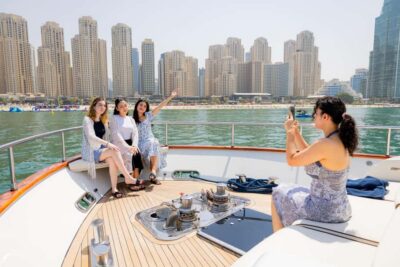
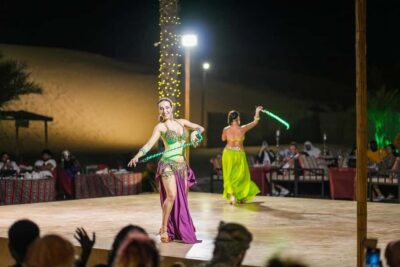
Desert Safari with VIP BBQ and Optional Quad Bike
Read our review →
Cu Chi Tunnels & Mekong Delta Tour with VIP Limousine Transfer
Read our review →
Luxury Saloon Boat Cruise with Cocktails & Waffle
Read our review →